
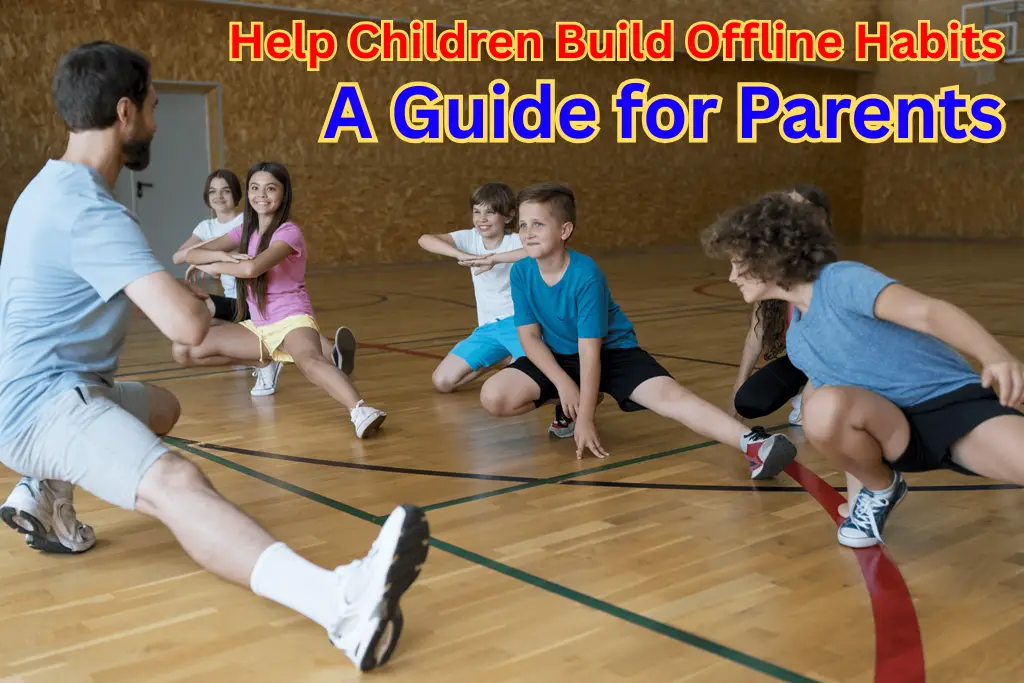
Build Offline Habits—Today we’re to interact with parents as to how they can help their children to build offline habits and avoid excessive screen time. It’s easy to get engaged in the world of screens in the current digital age. Children’s physical, emotional, and mental health are being harmed by their constant interaction with smartphones, tablets, and televisions.
It’s common for parents to want to protect their children from the collateral damage that occurs with excessive screen time. Yet, since everyone around your child seems to be vibrant with notifications and tempting them to stay online, how can you assist them to build offline habits?
The good news is that to build offline habits is not only possible but also essential to children’s growth and well-being. This article will address the importance of offline habits, the challenges involved in developing them, and provide helpful guidance and strategies for parents who wish to assist their children in developing healthy offline habits.
Why Offline Habits Matter
Children’s physical, emotional, and cognitive development relies on their offline habits. Children that spend too much time online can suffer from a variety of negative effects, including:
- Sleep disturbances: Fatigue, frustration, and loss of focus may arise from sleep patterns being interrupted by screen time and constant notifications.
- Social isolation: The excessive use of screens may result in decreased empathy, social isolation, and face-to-face involvement.
- Physical inactivity: A sedentary lifestyle based on excessive use of the internet may result in obesity, a decrease in physical fitness, and other health issues.
- Decreased attention span: Children can find it hard to pay attention and learn if they’re constantly moving between games, apps, and websites.
On the other hand, offline habits can have numerous benefits, including:
- Improved physical health: Sports, performing arts, and playing outside are just a few offline activities that may improve one’s physical health, increase energy, and decrease the risk of obesity, so build offline habits.
- Enhanced creativity: Drawing, painting, and crafts are exemplary offline activities that may foster imagination, creativity, and problem-solving skills, so they should build offline habits.
- Better social skills: Children can learn essential social abilities like empathy, communication, and resolution of conflicts by means of offline interactions.
- Improved mental health: Stress, anxiety, and depression can be decreased by engaging in offline activities like yoga, meditation, or reading. Children must build offline habits.

Challenges to Build Offline Habits
It could be tough to promote offline conduct in children, especially in the modern digital age. Common problems include:
- Screen addiction: It can be difficult for children to turn off and engage in offline activities if they develop a screen addiction.
- Peer pressure: Children might encounter peer pressure to engage in digital activities and stay online.
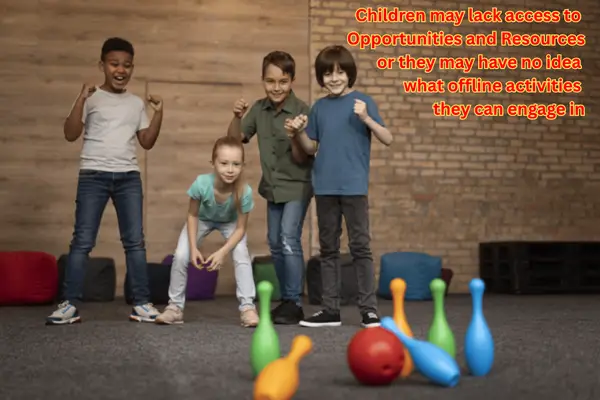
- Lack of alternatives: Children may lack access to opportunities and resources, or they may have no idea what offline activities they can engage in.
- Parental influence: Children frequently copy their parents’ behavior, so if parents constantly have their backs to their gadgets, children could do the same thing.
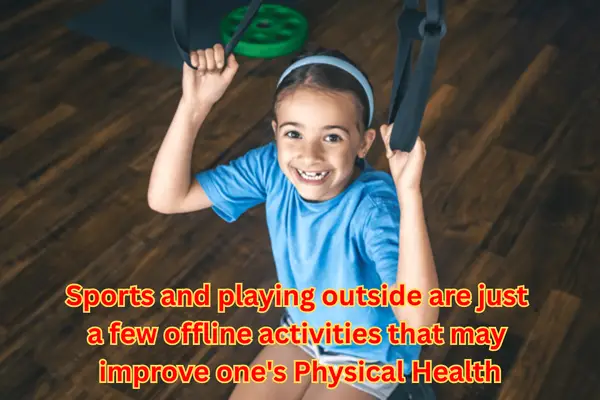
that may improve one’s physical health
Practical Tips to Build Offline Habits
Despite challenges, children may build offline habits if they are diligent, patient, and imaginative. Following are some helpful suggestions and strategies for parents:
- Set screen-free zones: Set aside particular times of day or locations, such as before bed or during meals, as screen-free spaces.
- Create an offline routine: Establish a daily plan that involves offline activities like reading, drawing, or socializing outdoors.
- Encourage physical activity: Motivate your child to be energetic by engaging them in activities such as dancing, sports, or simply playing outside.
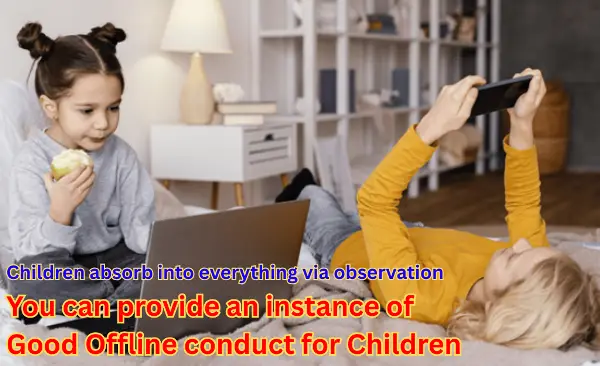
- Model healthy behavior: Because children absorb everything via observation, you can provide an instance of good offline conduct for children.
- Make it fun: Whether it’s cooking, arts and crafts, or playing board games, make offline activities interesting and enjoyable for the children in your household.
- Provide alternatives: Give your children screen-free options like puzzles, literature, and playing outdoors.
- Monitor screen time: Watch your child’s screen time and create reasonable restrictions.
- Create a screen-free bedtime routine: Establish a relaxing, screen-free pre-bedtime routine such as reading or meditation.
Offline Activities for Children
Depending on their hobbies and abilities, kids may engage in an extensive range of offline activities. Here are a few recommendations:
- Outdoor activities: Taking part in sports, hiking, biking, or simply having pleasure in a park or backyard.
- Creative pursuits: Drawing, painting, crafting, writing, or playing music.
- Board games and puzzles: Engaging in card games, board games, or puzzles that promote cooperation and problem-solving skills.
- Reading and storytelling: Studying literature, making up stories, or participating in theater or with puppets.
- Cooking and baking: Taking advantage of culinary activities that promote healthy eating, creativity, and measurement skills.
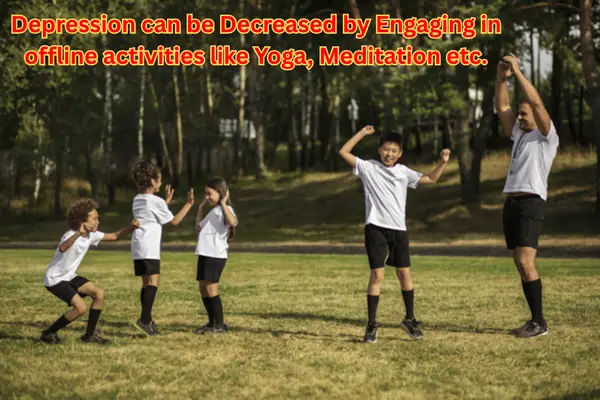
like yoga, and meditation
Conclusion
Children’s offline habits are important to their cognitive, emotional, and physical development. Parents can help their children develop lifelong positive offline habits by creating screen-free areas, developing an offline routine, encouraging physical activity, and providing screen alternatives.
Keep in mind that establishing offline habits takes patience, consistency, and time. Be creative, start small, and have fun. Your child may develop the skills and habits needed to succeed in the digital age while finding an appropriate equilibrium between online and offline activities with persistence and positive reinforcement.
Together, communities, parents, and caregivers can help children adopt social habits that promote their mental, emotional, and physical health and prepare them for success in any aspect of life.
1 thought on “Help Children Build Offline Habits: A Guide for Parents”