
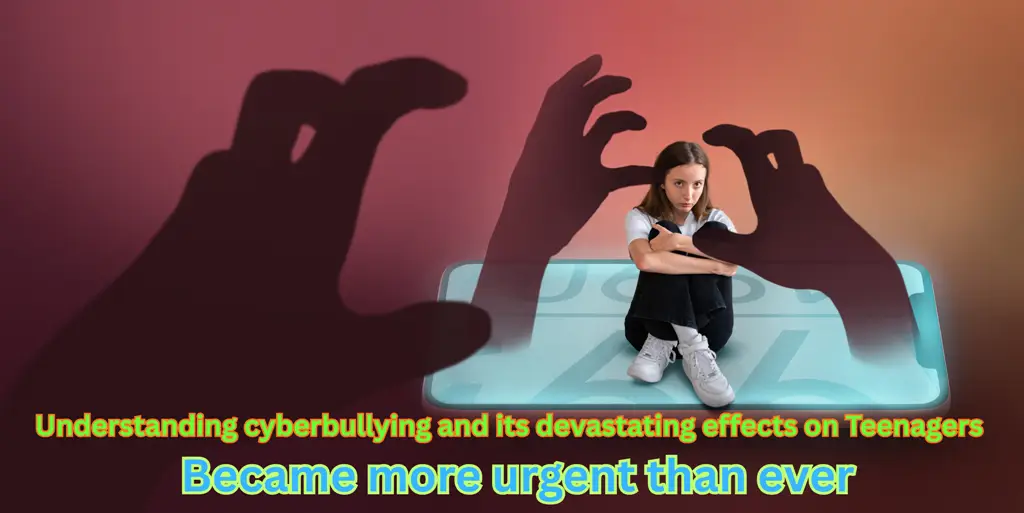
Understanding cyberbullying and its devastating effects on teenagers has become more urgent than ever in today’s hyperconnected digital world. In today’s hyperconnected digital world, it is more crucial than ever to understand cyberbullying and its terrible effects on teenagers. What appeared to merely exist in school corridors and playgrounds has now quietly found its way into social media, smartphones, and online educational environments.
Numerous teenagers experience abusive messages, humiliation in society, phony appearances, and continuous online harassment behind bright screens, frequently without their parents’ or teachers’ notice. Because of its anonymity, this silent epidemic is harder to recognize and even more challenging for victims to flee.
Cyberbullying is much more aggressive and emotionally damaging than traditional bullying; it is not simply a digital version of it. Online abuse follows teenagers everywhere, even in their beds, late-night scrolling, and times when they ought to be relaxing and thinking, compared to offline bullying. Teenagers’ self-esteem, mental health, academic performance, and sense of belonging can all be adversely affected by negative comments, manipulated material, rumors, and exclusion from social networks.
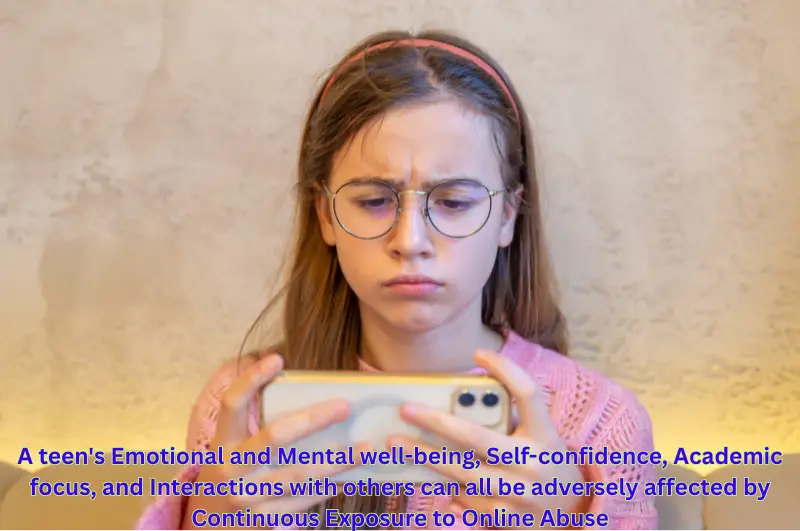
Interactions with others can all be adversely affected
If ignored, cyberbullying can cause social disinterest, nervousness, sorrow, and, in the worst instances, thoughts of self-harm or suicide. This blog explores what cyberbullying really is, why it has spread far and wide, and how its severe repercussions are quietly impacting youngsters of today.
The Alarming Rise of Cyberbullying
Cyberbullying has become a significant global issue, particularly among teenagers who depend increasingly on digital platforms for interaction and communication. Online harassment incidences have risen substantially as a consequence of social media and online communities’ rapid expansion. Many teenagers are exposed to harmful messages on a daily basis, public shaming, and digital exclusion, all of which often go unnoticed. This increasing prevalence shows the urgency of awareness, research, and preventive measures required to successfully understand cyberbullying.
Cyberbullying is no longer a unique issue; for numerous children navigating the digital world, it has become an unpleasant reality. Many young minds silently suffer from hurtful comments, bullying messages, and public humiliation that leave serious emotional scars behind positive profile pictures. Social media’s ongoing presence makes it tough to find an appropriate location to retreat to, making the misery feel never-ending. This quiet suffering emphasizes the importance of acknowledging and dealing with understanding cyberbullying.
The Devastating Effects of Cyberbullying on Teenagers: Understanding Cyberbullying
Teenagers who are victims of cyberbullying deal with serious and often unnoticed damages that reach far beyond their online experiences. A teen’s emotional and mental well-being, self-confidence, academic focus, and interactions with others can all be adversely affected by continuous exposure to online abuse. These adverse events have the power to mold behavior, viewpoint, and growth prospects over time; therefore, it’s critical to understand the full range of adverse consequences that cyberbullying can entail.
- Anxiety and Depression: Increased stress, sadness, and even suicidal thoughts can result from cyberbullying, so understanding cyberbullying is a must.
- Low Self-Esteem: Teenagers’ confidence and self-worth can be damaged by constant criticism and disparaging remarks.
- Social Isolation: Teenagers who face cyberbullying can grow isolated from society and find it difficult to establish and maintain relationships, so understanding cyberbullying is a must.
- Academic Problems: A teen’s academic performance may be impacted by cyberbullying, leading to lower grades and higher absenteeism, so understanding cyberbullying is a must.
Real-Life Examples of Cyberbullying
- The Story of Amanda Todd: Cyberbullying can affect a teen’s academic performance, leading to inferior marks and more absences from school.
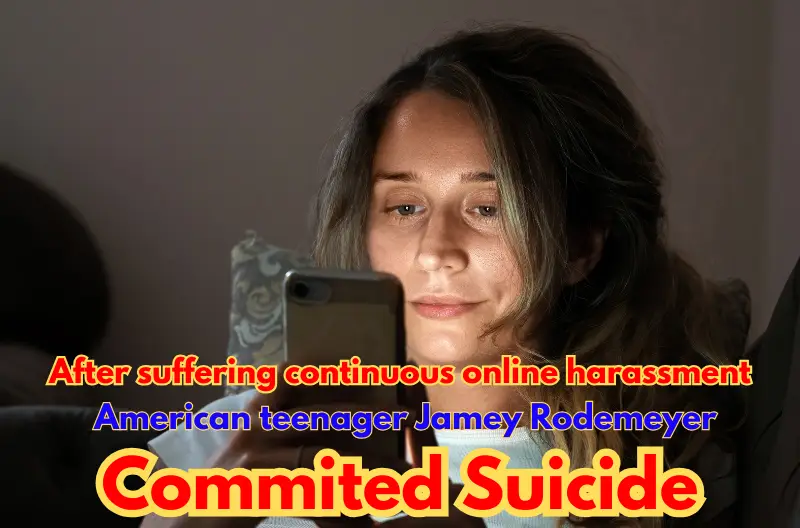
- The Cyberbullying of Jamey Rodemeyer: After suffering continuous online harassment, American teenager Jamey Rodemeyer committed suicide. His personal story serves as an indication that victims of cyberbullying need support and resources.

The Role of Parents, Educators, and Peers in Preventing Cyberbullying
Teenagers are not alone in being accountable for preventing cyberbullying; educators, peers, and parents must work simultaneously to create a safe and supportive online environment. Online harassment can be significantly lessened with open communication, early detection, and swift action. Cyberbullying can be identified, addressed, and prevented before it causes serious damage when peers choose empathy over quiet while adults offer suitable direction, observation, and awareness. Here are some practical suggestions for prevention and understanding cyberbullying:
- Encourage open communication at home so teenagers feel safe discussing their online experiences without fear of judgment.
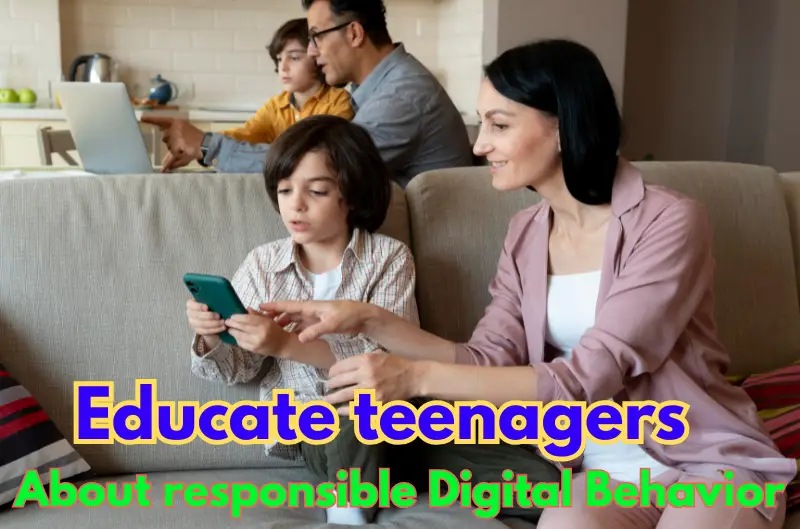
- Educate teenagers about responsible digital behavior, including the consequences of sharing harmful content or engaging in online harassment.
- Set clear guidelines for internet and social media use, while respecting privacy and promoting trust.
- Train educators to recognize early warning signs such as sudden withdrawal, declining academic performance, or emotional distress.
- Implement clear anti-cyberbullying policies in schools, along with confidential reporting mechanisms.
- Promote digital literacy programs that teach empathy, online ethics, and safe social media practices.
- Encourage peers to speak up and support victims, emphasizing that silence often enables bullying behavior.
- Foster a culture of kindness and inclusion, both online and offline, where respect and empathy are actively practiced.
Conclusion
In the age of technology, cyberbullying is a serious issue that needs proactive action, shared responsibility, and increased awareness from every aspect of society. Its significant impact on teenagers’ social development, academic engagement, and psychological well-being has been consistently emphasized by research. Education, open dialogue, and the promotion of ethical online behavior are the initial stages in addressing the issue at hand. In addition to avoiding cyberbullying, communities can enable teenagers to navigate online spaces with dignity, respect, and confidence by fostering empathy, accountability, and resilience. This will ultimately assist in creating a more inclusive and healthier digital future, so understanding cyberbullying is a must.
Let’s not stand by and do nothing about cyberbullying. Start conversations, listen without making judgments, and encourage those who are being targeted online if you are a parent, educator, or student. Every act of empathy, every encouraging statement, and every responsible online choice may contribute towards making the world of the internet a safer place for children.
4 thoughts on “Understanding Cyberbullying and Devastating Effects”